
Deezer Wrongly Tagged My Music as AI-Generated: And Here’s Why They Don’t Care
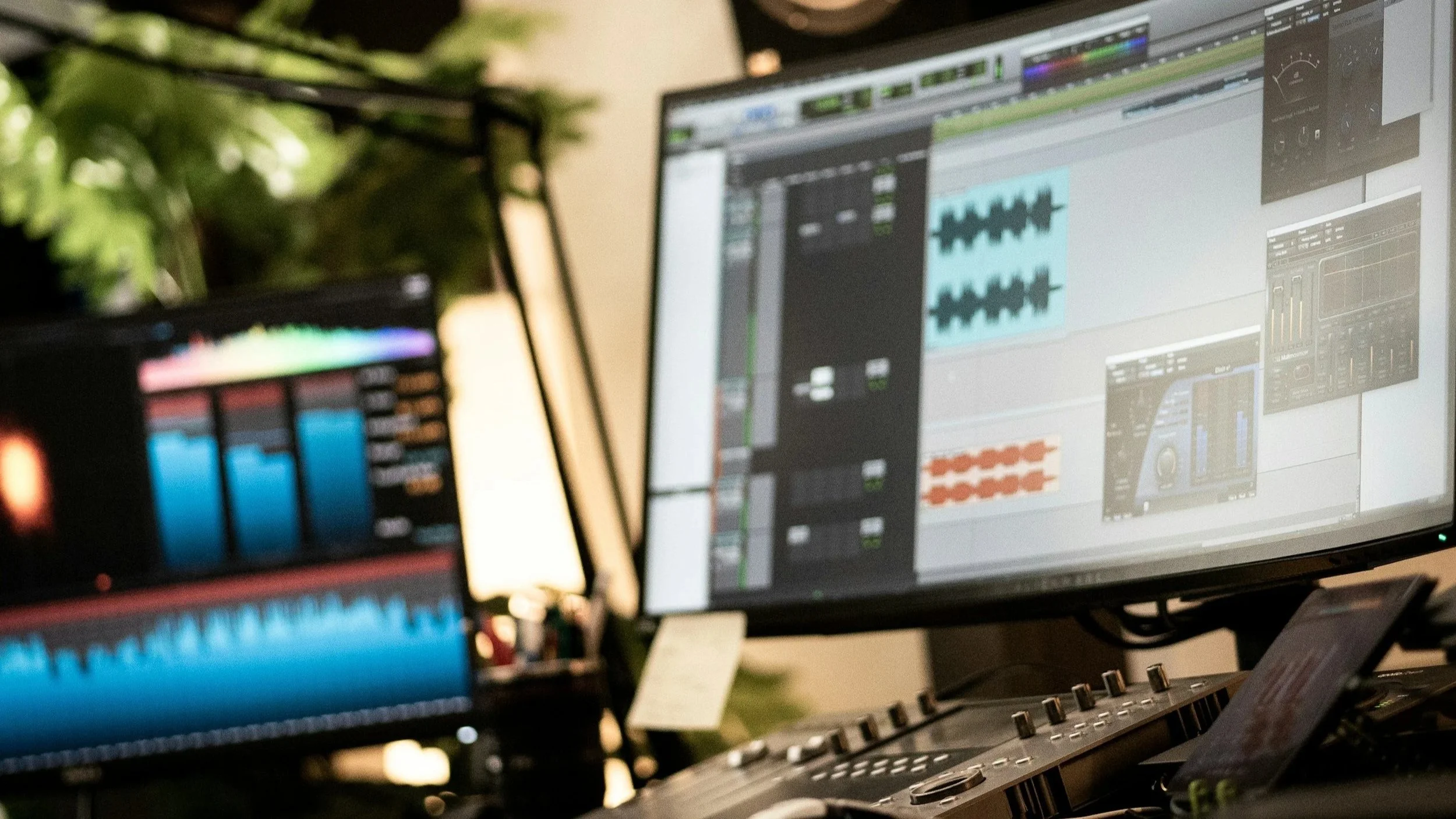
It’s a dystopian scenario every modern producer dreads, and it recently happened to me: music I painstakingly composed with human hands, hardware synths, and MIDI data was flagged by Deezer as “AI-generated.” This isn’t just an annoying UI badge; it’s a digital death sentence for a release. As part of its aggressive new crackdown on AI spam streaming, Deezer explicitly removes tagged tracks from algorithmic discovery and editorial playlists and, crucially, demonetises up to 85% of these streams, classifying them as fraudulent bot traffic [1].
I’m far from alone. Production forums have been flooded with reports from independent artists whose hybrid workflows or heavy use of digital processing have triggered false positives in Deezer’s dragnet. It has become painfully clear that the algorithm is flawed, flattening legitimate hybrid creators. The algorithm seemingly detects samples from sites like Splice and Loopcloud in some cases. Categorising artists into a “AI-generated” category simply because they used standard digital tools [2]. Tools like Illugen from Waves Audio, And ReSing from IK Multimedia will earn you this wonderful tag on Deezer.
Naturally, I assumed this was a mistake that could be easily rectified with evidence. Instead, the appeals process exposed a deeper systemic failure. I responded to Deezer support with the strongest possible proof of human authorship: a full video walkthrough of my DAW session, showing raw MIDI arrangements, the specific VSTs I used, and the hardware synthesiser layers. Deezer’s automated support flatly refused to remove the tag.
Realising I’d hit a wall, I escalated the issue to a high-priority ticket via my distributor, DistroKid, which has direct lines of communication with streaming platforms. Shockingly, my distributor was stonewalled as well. The response I received was chilling: “Deezer retains full editorial discretion to feature content and determine what is considered AI. We will not be able to remove the AI-generated label from our end.”

Deezer’s official policy explicitly outlines an “appeal process” through distributors [3]. In practice, however, streaming platforms are building hard filter layers in which algorithmic judgments are final and effectively unappealable, leaving genuine creators to fight a losing battle against a machine [4].
Why would a company ignore undeniable evidence? The answer lies in Deezer’s current corporate strategy. They aren’t just using this AI scanner internally; they are aggressively licensing this proprietary technology to rivals across the industry, including Spotify and SACEM [5]. To successfully sell a B2B product, Deezer has publicly advertised its detection tool as having “state-of-the-art accuracy with a false positive rate below 0.01%” [6].
Admitting to a distributor that their algorithm failed on a clearly human-made track would undermine their entire corporate sales pitch to the rest of the music industry. The hypocrisy is staggering: Deezer relies on an imperfect AI to police AI, then shields that flawed algorithm from scrutiny by using automated customer service to reject human appeals. They protect their corporate narrative over the truth of the artists they claim to support.

For my own peace of mind, the immediate solution was to pull my catalogue from Deezer entirely. But the broader implications are alarming if Deezer successfully scales this broken system into an industry standard. With an estimated 50,000 to 60,000 AI tracks flooding platforms every single day, the panic is understandable—yet treating all independent artists as suspects is not the solution [7].
If this specific, flawed technology becomes the norm, independent musicians face a grim future. We may soon feel compelled to prepare “proof packs” for every release—screen recordings of sessions, raw stems, and project files—anticipating a world in which we are assumed to be AI bots until we can prove our humanity to a machine [8].
Beyond the immediate financial loss of demonetised streams, there’s a darker question: what recourse is there for the significant damage this does to an artist’s personal brand? In the current climate, labelling a musician’s work as “AI-generated” carries real stigma. Artists are already expressing outrage at the reputational harm caused by false tags and the subsequent demonetisation [9].
Unfortunately, legal options are limited. B2B service providers and streaming platforms are shielded by broad terms of service that prioritise their own risk mitigation over individual artist grievances [10]. Until the industry starts prioritising nuance over blanket algorithmic bans, our only meaningful leverage is the court of public opinion—publicly calling out these practices—and voting with our feet by removing our labour from platforms that view us as acceptable collateral damage.
References
[1] Mixmag Asia. (Jan 2026). "Deezer says it has demonetised 85% of all AI-generated music due to fraud." Read Article
[2] Reddit r/DefendingAIArt. (Feb 2026). "Deezer's 'AI War' is a mess of their own making." View Discussion
[3] Deezer Creator Support. (Nov 2025). "Understanding AI Content Detection and Tagging on Deezer." Read Policy
[4] Jack Righteous. (Feb 2026). "Deezer AI Detection Tool: What DSP Crackdowns Mean for Creators." Read Blog
[5] Digital Watch Observatory. (Feb 2026). "Deezer opens AI detection tool to rivals." Read Article
[6] Deezer Newsroom. (Jan 2026). "How to Detect AI Music: Deezer Sells Its Detection Tool." Read Press Release
[7] Music Business Worldwide. (Nov 2025). "50,000 AI tracks flood Deezer daily." Read Article
[8] PUSH.fm. (2026). "Deezer reports 60,000 AI-generated tracks uploaded daily." Read Article
[9] Reddit r/deezer. (Jan 2026). "Deezer confirms demonetization of up to 85% of AI-music streams due to fraud..." View Discussion
[10] Deezer for Business. (2026). "How to Detect AI-Generated Music With Deezer?" View B2B Pitch